As an efficient chipless machining equipment, hot melt drilling machines occupy a crucial position in the metalworking industry, relying on the core technology of frictional heating and plasticization molding. The entire machining process is continuous and efficient, integrating positioning to tapping in one seamless operation—fully demonstrating the precision and convenience of modern processing technology. The specific process flow is as follows:
Initially, the drill bit of the hot melt drilling machine makes precise contact with the surface of the workpiece to complete initial positioning. This step is critical for machining accuracy: the equipment uses a preset positioning system to ensure the drill bit is perpendicular to the reference surface, preventing deviations in subsequent molding. After positioning, the drilling machine activates its feed mechanism, pressing the drill bit against the material surface with high axial pressure and a stable feed rate. These pressure and speed parameters are strictly calibrated to ensure sufficient energy input while avoiding material deformation caused by uneven force, laying the foundation for subsequent frictional heating.
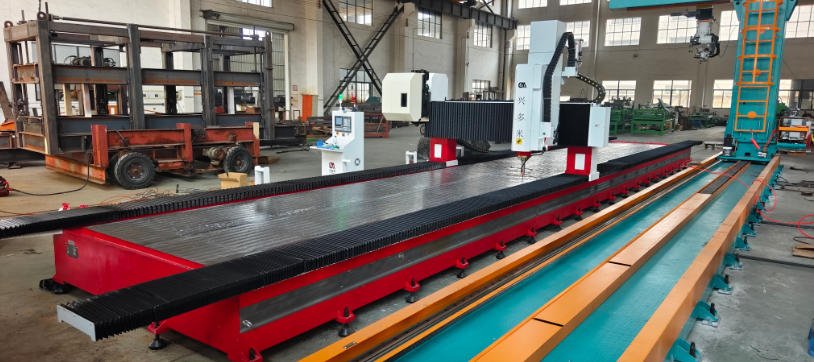
During continuous contact between the drill bit and the material, relative motion under high pressure generates intense friction, which is instantly converted into substantial heat energy. When the temperature reaches approximately 600°C— the plasticization critical point of most metal materials—the originally rigid metal surface gradually softens and exhibits plastic flow. This temperature is a core parameter of hot melt drilling technology: it ensures effective material plasticization without damaging the material’s inherent physical properties. Under the combined action of heat and pressure, the drill bit tip smoothly penetrates the plasticized material, with the entire penetration process taking only a few seconds, significantly improving machining efficiency.
During penetration, the hot melt drilling head, through its specialized structural design, extrudes the plasticized metal both horizontally and vertically. Horizontal extrusion forces the material to spread outward, while vertical pressure drives it to flow downward, ultimately forming an integrally molded bushing at the drilling location. Notably, as the drill bit gradually penetrates the metal, the equipment automatically adjusts process parameters: feed pressure decreases incrementally to prevent uneven bushing wall thickness caused by over-extrusion, while feed rate increases accordingly to maintain process continuity. This dynamic parameter adjustment mechanism is key to ensuring bushing molding quality.
Once the drill bit fully penetrates the material, the process enters the final forming stage. At this point, the material on the opposite side of the feed direction forms a raised frustum structure due to extrusion. This frustum offers excellent sealing performance and can be directly used in applications requiring sealing. If the frustum is unnecessary, a flat-head hot melt drill bit can be selected—its preset cutting edges at the blade position precisely remove the frustum in the same operation, eliminating the need for additional processing steps and achieving high process integration.
After bushing formation, chip-free tapping can be performed immediately using an extrusion tap without the need for storage or repositioning. The extrusion tap induces plastic deformation of the metal on the inner wall of the bushing through cold extrusion, forming uniform internal threads. This tapping method not only avoids iron chip contamination from cutting processes but also significantly enhances the surface hardness of the threads through the cold working hardening effect, improving thread load-bearing capacity and wear resistance. The entire tapping process seamlessly connects with the previous drilling and forming steps, realizing integrated processing from drilling to thread machining.
In summary, hot melt drilling machines achieve efficient formation of high-quality bushings and thread machining on metal materials through the continuous process of “positioning-plasticization-forming-tapping.” With frictional heating as its core, combined with precise parameter control and structural design, these machines offer the advantages of chipless processing, high efficiency, and integration. They are widely used in automotive manufacturing, mechanical processing, hardware accessories, and other industries, becoming an essential technical equipment in modern metalworking.

huangjiafeng
请到「后台-用户-个人资料」中填写个人说明。