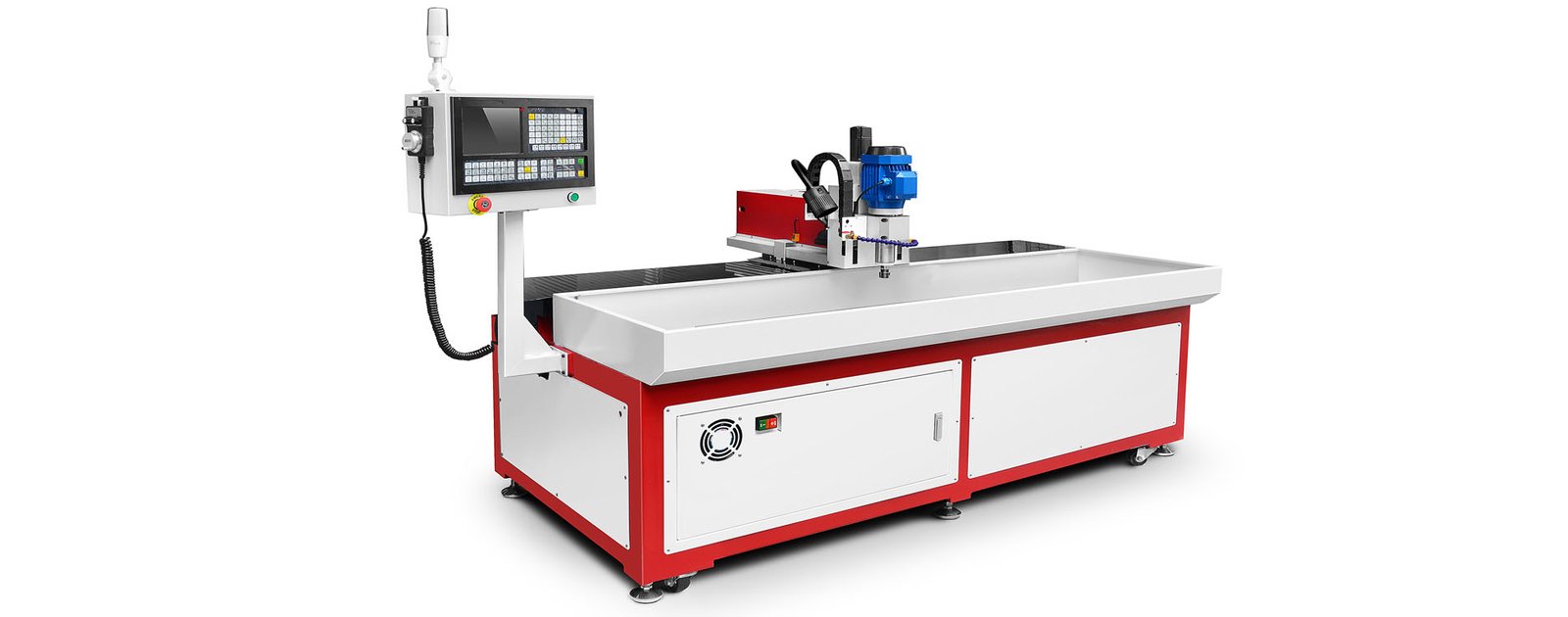

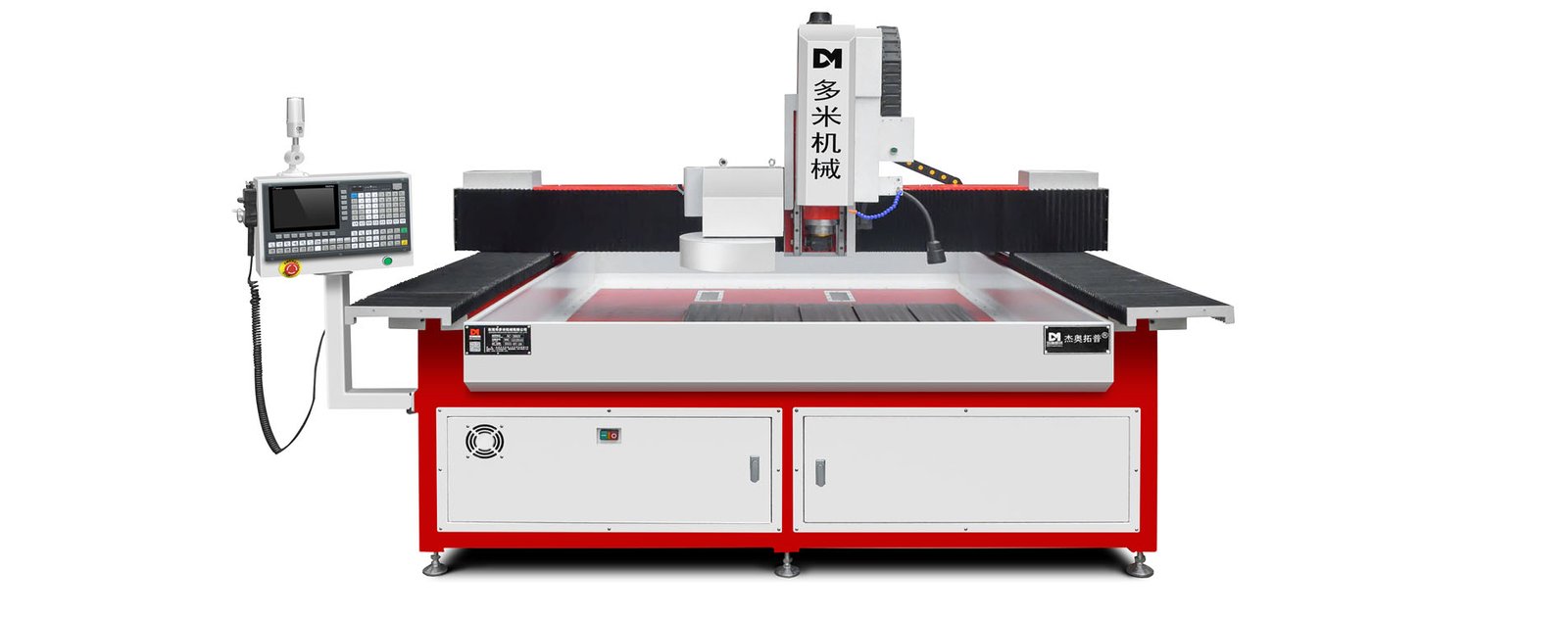

Why Must CNC Drilling Machines Undergo “Scraping”?
I. What is Scraping? The “Manual Calibration Technique” for Mechanical Precision (1) A 200-Year-Old “Micro-Engraving Art” in Metal Processing In the precision-driven world of modern CNC drilling machines, scraping—an ancient craftsmanship—stands like a mysterious artisan from the depths of time, quietly wielding its magic. Also known as scraping and lapping, this technique originated during the Industrial Revolution. Having endured 200 years of evolution, it remains an irreplaceable manual finishing method in precision machinery manufacturing. It is analogous to performing delicate “micro-engraving surgery” on mechanical components, except that the “canvas” here is not artwork, but the critical contact surfaces that determine a machine’s performance. Imagine the guide rails and slide plates of a CNC drilling machine: their surfaces may seem flat before assembly, but they actually hide micron-level undulations. Enter the scraping technician, who wields a scraper to remove high spots on these surfaces, adhering to an error tolerance of 0.01–0.001 mm. To put this in perspective: a single human hair has a diameter of approximately 0.1 mm. Technicians meticulously carve 10–100 precision marks within this tiny scale, refining the component’s mating surfaces to an exceptional degree of accuracy—laying a solid foundation for the drilling machine’s stable operation. (2) Core Principle: The Qualitative Shift from “Surface Contact” to “Point Support” The core secret of scraping lies in its ingenious transformation of the rough surface contact between mechanical components into a sophisticated point-support structure. In this process, colorants (red lead oxide or blue lead oxide) act as the technician’s “magic markers.” First, the technician evenly applies the colorant to a standard fixture, then slides the fixture against the surface of the workpiece to be scraped. High spots on the workpiece will pick up the colorant, revealing themselves clearly. Like seasoned hunters, technicians use these marks to precisely scrape the workpiece, leaving regularly distributed concave points…